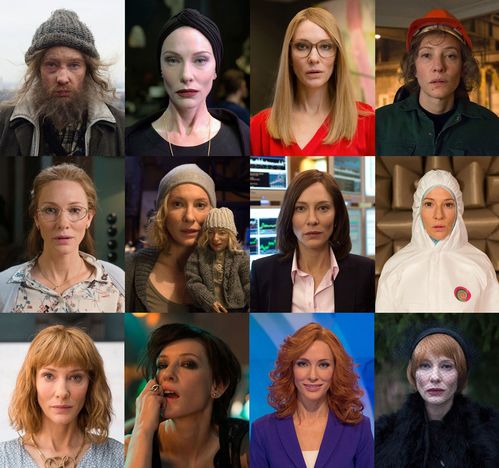
The 13-channel film installation Manifesto pays homage to the moving tradition and literary beauty of artist manifestos, ultimately questioning the role of the artist in society today. Manifesto draws on the writings of Futurists, Dadaists, Fluxus artists, Suprematists, Situationists, Dogma 95 and other artist groups, and the musings of individual artists, architects, dancers and filmmakers. Passing the ideas of Claes Oldenburg, Yvonne Rainer, Kazimir Malevich, André Breton, Sturtevant, Sol LeWitt, Jim Jarmusch, and other influencers through his lens, Rosefeldt has edited and reassembled thirteen collages of artists’ manifestos.
A manifesto is usually a public statement expressed in writing. It is intended to clarify intentions, views or goals of an individual or a group. Artists’ manifestos also address social topics beyond art, such as freedom of expression and the call for a radical change of attitudes or society. Presented as performed and spoken monologues, the artistic world concepts and ideas of the twentieth and twenty-first centuries are condensed into a “manifesto of manifestos“ and set into present-day contexts.
The lead actress in all episodes is Australian actress Cate Blanchett; she plays 13 characters, ranging from a stockbroker to an elementary school teacher to a punk rocker and a homeless person. Not only does she demonstrate her extraordinary versatility, but she also imbues the original texts with a performative power of their own.
Rosefeldt’s work reveals both the performative component and the political significance of these declarations. Often written in youthful rage, they not only express the wish to change the world through art but also reflect the voice of a generation. Exploring the powerful urgency of these historical statements, which were composed with passion and conviction by artists many years ago, Manifesto questions whether the words and sentiments have withstood the passage of time.