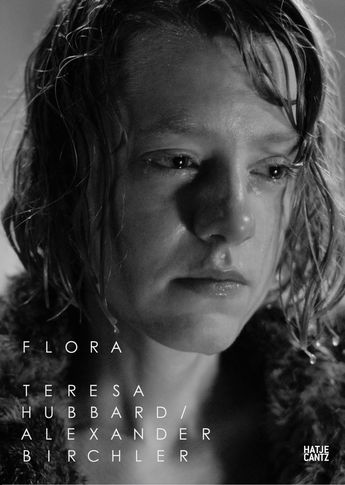
On the occasion of the Venice Biennale in 2017, Teresa Hubbard/Alexander Birchler presented the double-sided film installation Flora and the accompanying work Bust in the Swiss Pavillion. The work is based on their discoveries about the unknown American artist Flora Mayo, with whom the Swiss sculptor Alberto Giacometti had a love affair in Paris in the 1920s. While Giacometti is one of the most celebrated artists of the 20th century, Mayo’s oeuvre has been destroyed and her biography was previously relegated as a footnote in studies of Giacometti.
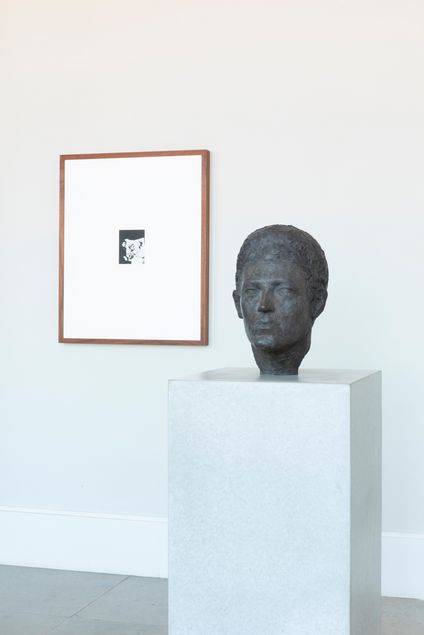
Flora Mayo was first publicly mentioned as a side note, in a dismissive and sexist context, in the best-selling, Giacometti: A Biography by James Lord published in 1985. A black-and-white reproduction in the book shows Mayo and Giacometti, circa 1927, both in their twenties, sitting on either side of a bust portrait Mayo made of him. The photograph of the couple fascinated Hubbard/Birchler, and set them on an international search traversing Europe and the United States to find out about Flora Mayo and what happened to her. Their research led to the discovery of David Mayo, Flora’s only surviving child, living near Los Angeles. Bust is inspired by this lost photograph and consists of a reproduction of the image and a reconstruction of Mayo’s destroyed sculpture.