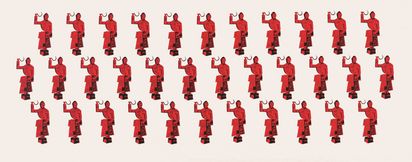
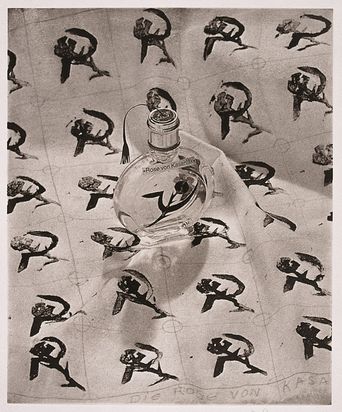
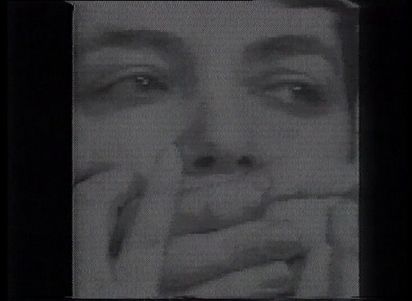
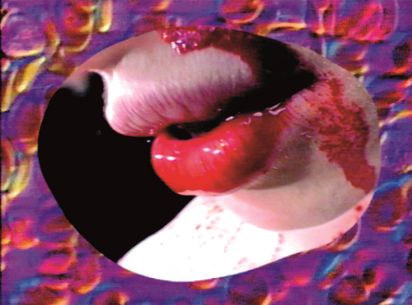
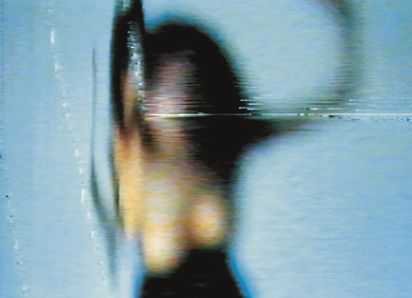
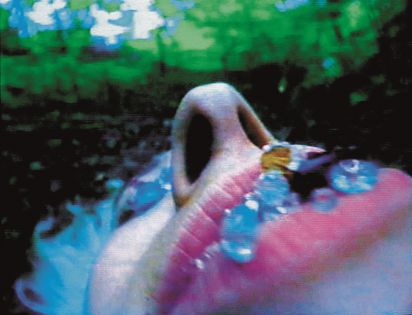
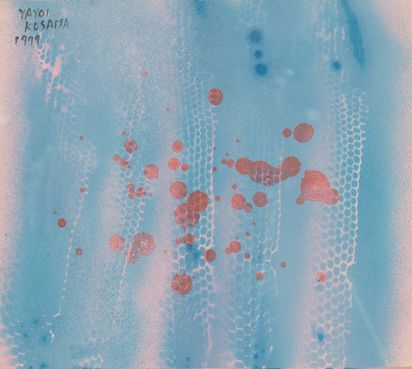
The experimental film Kusama’s Self-Obliteration documents the performances and nude happenings that were staged by Yayoi Kusama in New York in the 1960s. The Japanese artist’s leitmotif is the polka dots with which she covers people, animals and her environment. Somewhat in line with the spiritual principles of Buddhism, the polka dots and their applications represent the dissolution of the self and the becoming of one with the universe. Kusama’s Self-Obliteration also reflects the spirit of the hippie generation, which strove to free itself from the constraints of bourgeois life and its notions of sex and morality. Accompanied by an esoteric score, the film speeds up or slows down individual sequences, working with cross-fades and zoom effects to impart a sense of ‘dissolution’ in the imagery.
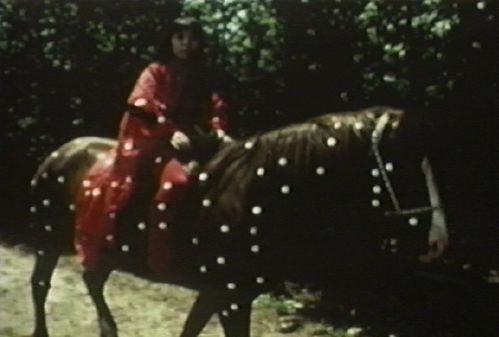
Kusama's Self-Obliteration
- Year1967
- EditionUnlimited edition
- Material/TechniqueSingle-channel video (colour, sound)
- DimensionsVariable
- Length23' 29''
- CategoryDocumetary video
- CollectionSammlung Goetz, München
- AlbumsPipilotti Rist and Yayoi Kusama. Works from the Sammlung Goetz
- KeywordsRepetition
Psychology
Feminism